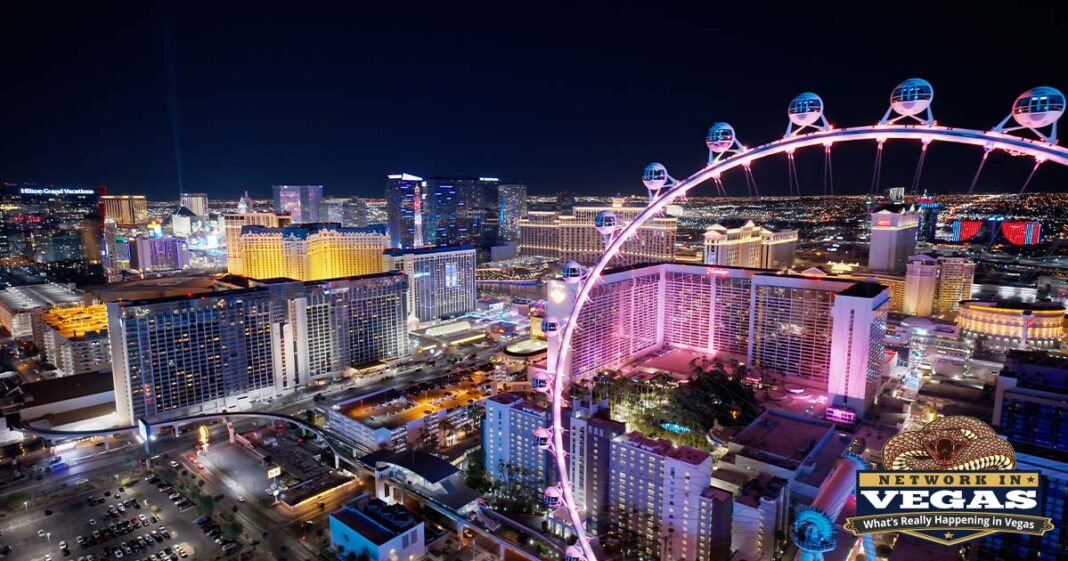
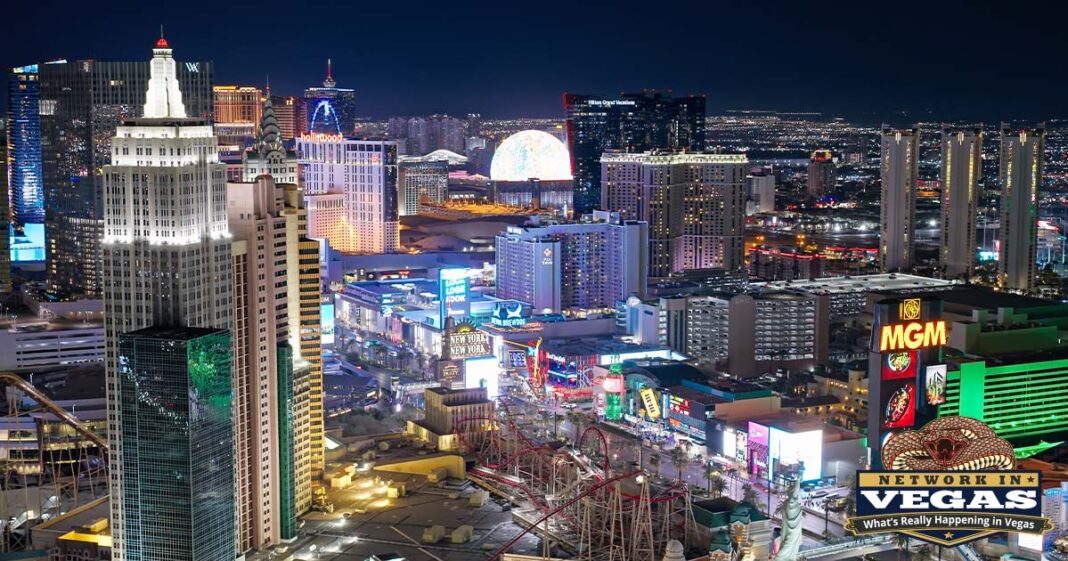
WalletHub scored the 100 biggest U.S. cities across 47 metrics this month, everything from park acreage to the price of a burger, and Las Vegas came out on top with 67.12 points. Orlando was second at 62.28. That’s a gap of almost five points, which sounds small until you notice it’s wider than the spread between 2nd place and 8th. The bottom city on the list, Jersey City, scored 34.94. Vegas basically doubled it.
Most of the local coverage ran the “Vegas is No. 1” headline and stopped there. The category breakdown is where it gets interesting, because it’s not the ranking people would expect from a city they know mostly from a bachelor party.
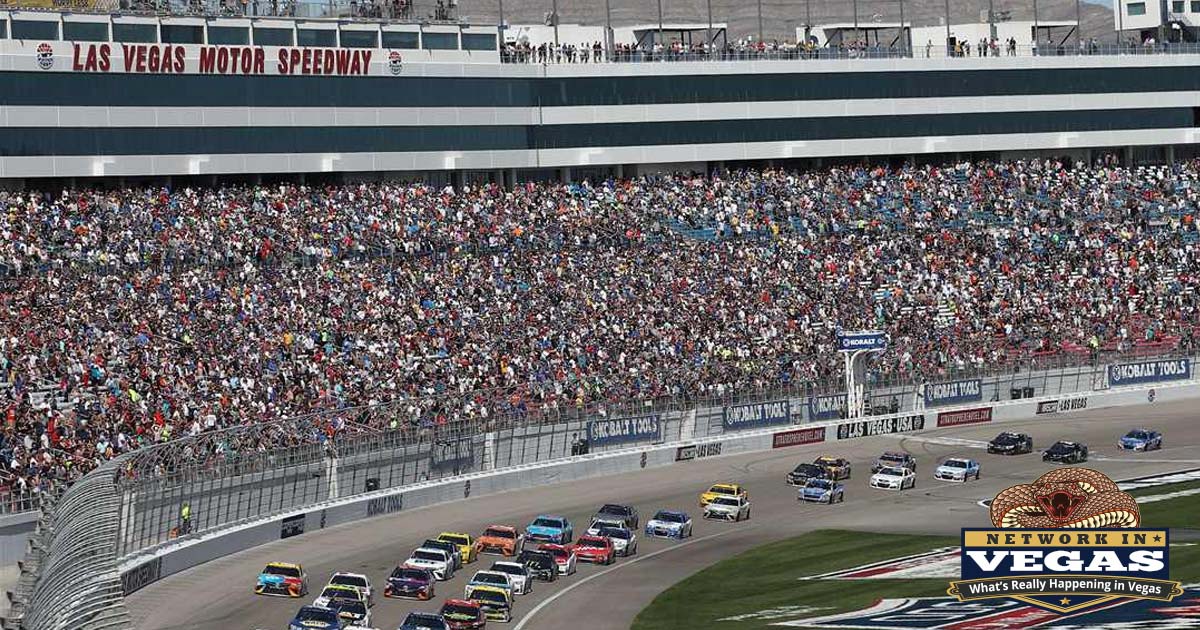
Vegas ranked first in the country for Entertainment & Recreational Facilities, and the margins in that category are ridiculous. It has 74 times more music venues per capita than Laredo, Texas, which finished last on that metric. It also topped the per-capita rankings for amusement parks, zoos, aquariums, and park playgrounds, and posted what the study calls a “very high” count of basketball hoops, hiking trails, bowling alleys, and sports venues. The takeaway isn’t that Vegas has a lot of shows. It’s that you can do an unusually wide range of things here without ever leaving city limits — even free things!
Then there’s the food, which is the stat I’d lead a friend with. Las Vegas, Henderson, and North Las Vegas all tied for first in the entire country for lowest average food price. Three Southern Nevada cities, cheaper than anywhere else measured. WalletHub singled out Vegas as one of the cheapest cities in America for a burger, and the bottom of that same list is basically all of coastal California: San Francisco, Oakland, Fremont, San Jose, Stockton. So if you’ve been telling out-of-towners that everyday food here costs less than they think, the numbers agree. (Resort fees and $26 Strip cocktails are a different fight, and we’ve got a whole chart on those.) The city also landed among the leaders for affordable 4.5-star restaurants and for food festivals, food tours, and ice cream shops per capita.
Where Vegas was ordinary: Costs came in 37th overall, which is middling, and the cheap food alone couldn’t drag it higher because that category also weighs a bunch of pricier services and, most heavily, sit-down restaurant meals. Quality of Parks was 25th. Weather ranked 18th, which feels charitable to anyone who’s crossed a parking lot in August but reflects how mild the winters are. The Entertainment score was so far out front that it carried everything else. That’s the formula here in one line: average on cost, parks, and weather, and completely off the charts on things to do.
It wasn’t just Vegas, either. Henderson finished 21st overall and quietly posted a top-six Costs rank and a top-five Weather rank, making it one of the more well-rounded cities on the whole list. North Las Vegas came in 38th, ranking 3rd in the country on Costs and 5th on Weather. Reno landed 44th. Four Nevada cities in the top half of the country’s 100 largest says something about the state that goes past the Strip.
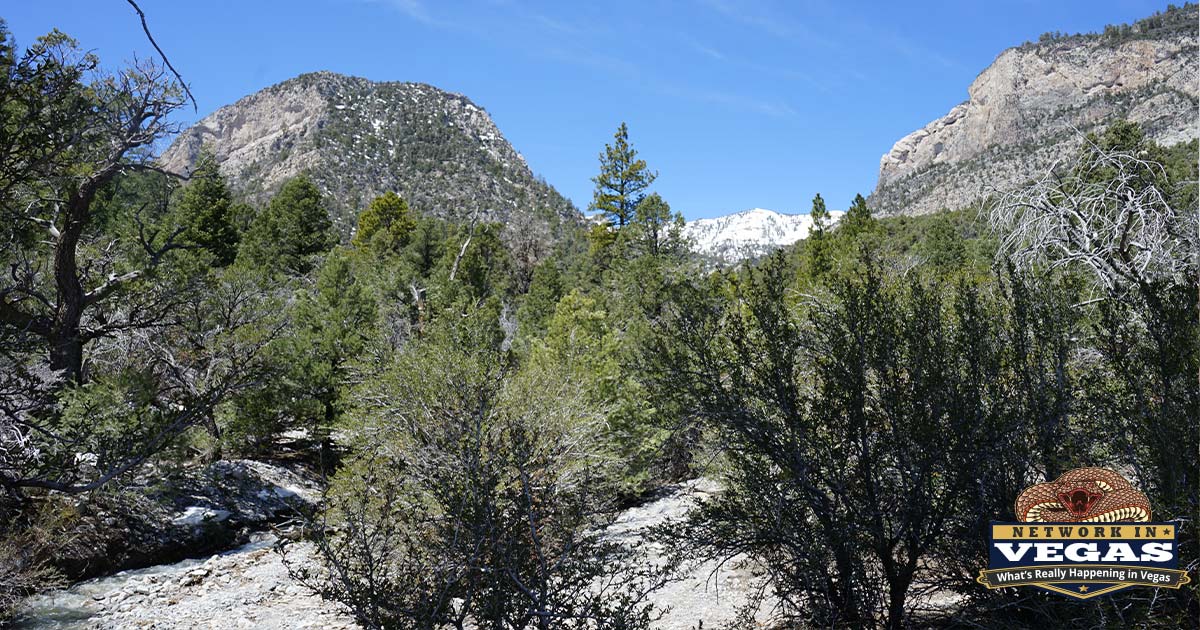
The last thing worth knowing is what the study can’t see. WalletHub drew its box around “the city proper” and deliberately left out the surrounding metro. Which means the single strongest case for Vegas as a recreation base, all the stuff just past the city line, never entered the equation. Red Rock is 20 minutes from the Strip with more than 2,000 climbing routes. Mount Charleston tops out near 12,000 feet and runs 30-plus degrees cooler than the valley in summer. Valley of Fire, Lake Mead, Death Valley, and Zion a couple hours up the I-15. Roughly 86% of Nevada is public land. None of it counted, and Vegas won anyway. If you want the real list of what’s out there, our local’s guide to outdoor adventures near Vegas has the spots worth the drive.