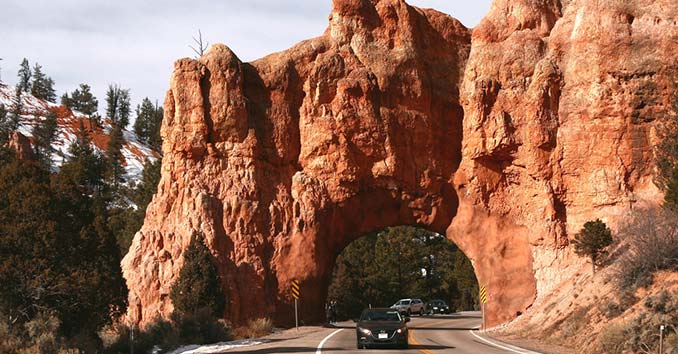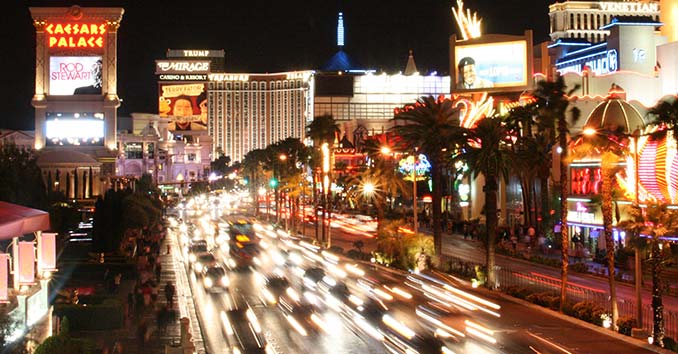
Las Vegas is one of the top cities in the country for outdoor adventuring. Yep, you heard that right. Most people picture casinos and pool parties, but drive twenty minutes in almost any direction and the desert opens up into some of the best hiking, climbing, and paddling in the West.
The proximity to national parks is a big part of it, but there’s a ton to do close to town when the weather cooperates. If you’re outdoorsy, Vegas is a better home base than people give it credit for. As an avid camper, climber, and hiker, I’ve found Red Rock is beautiful in the winter, Mt. Charleston is a cool escape all summer, and you can actually ski forty minutes from the Strip when it snows. Beyond that, there’s Valley of Fire, Lake Mead, the Colorado River, and Willow Beach, plus Zion, the Grand Canyon, Death Valley, and even the ocean all within a few hours’ drive. Most of Nevada is public land, so finding a camping spot is easy. The rock climbing is world-class, and there are four solid climbing gyms in town for when it’s too hot to be on real rock. I’ve lived all over the country, and Vegas is a genuinely great launch pad for anyone who’d rather be outside.
Nevada has the second-largest capacity for outdoor recreation in the nation, with about 86% of the state being public land. What sets Vegas apart is the geographic diversity crammed into a small radius. In winter, the endless routes in Red Rock stay warm and pleasant even in December and January. In summer, you climb 6,000 feet up Kyle Canyon and it’s thirty degrees cooler. Not many cities let you do that.
First, the thing tourists and even some locals forget: RESPECT the heat
Before the fun list, one piece of real talk that matters more here than almost anywhere. The desert kills people who underestimate it, and it’s not uncommon to see stories almost weekly of search and rescue teams rescuing someone cause they failed to prepare. Every summer, search and rescue pulls hikers off trails at Red Rock, Lake Mead, and Valley of Fire who ran out of water and ran out of luck. From roughly May through September, treat any midday hike below 4,000 feet as a bad idea. Go at sunrise, carry more water than you think you need (a gallon per person for anything serious), and turn around the second you feel dizzy or stop sweating. When it’s 110 in the valley, go up. Mt. Charleston and Lee Canyon are your summer plan. Save the low-desert hikes for October through April. Nobody’s ever regretted bringing too much water out here.
Red Rock Canyon National Conservation Area
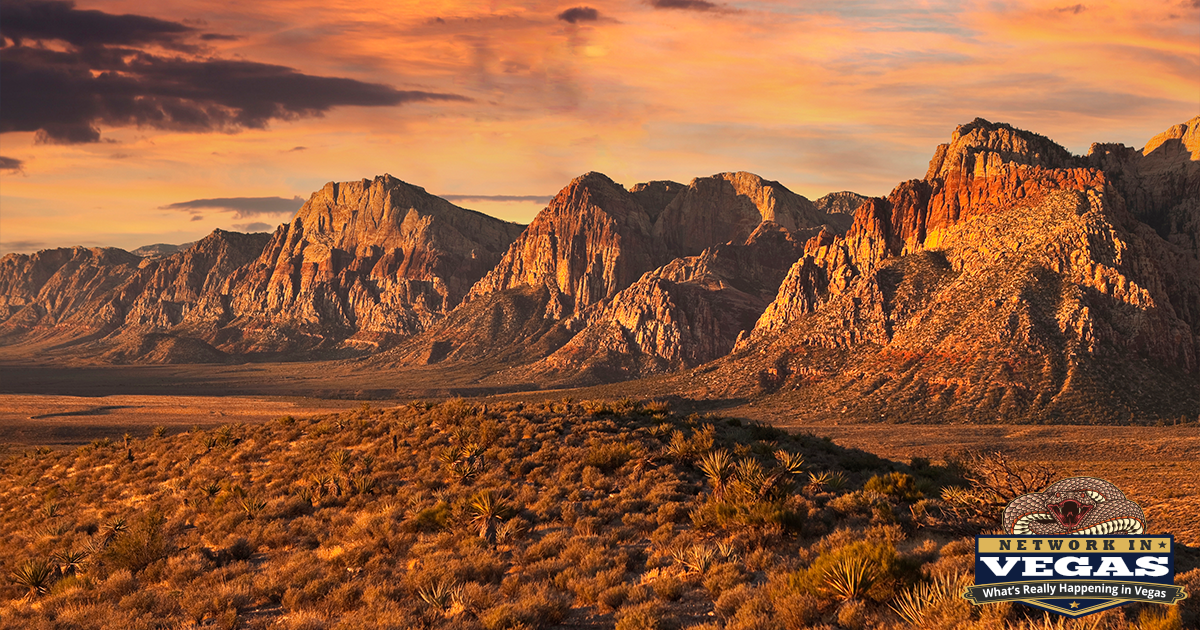
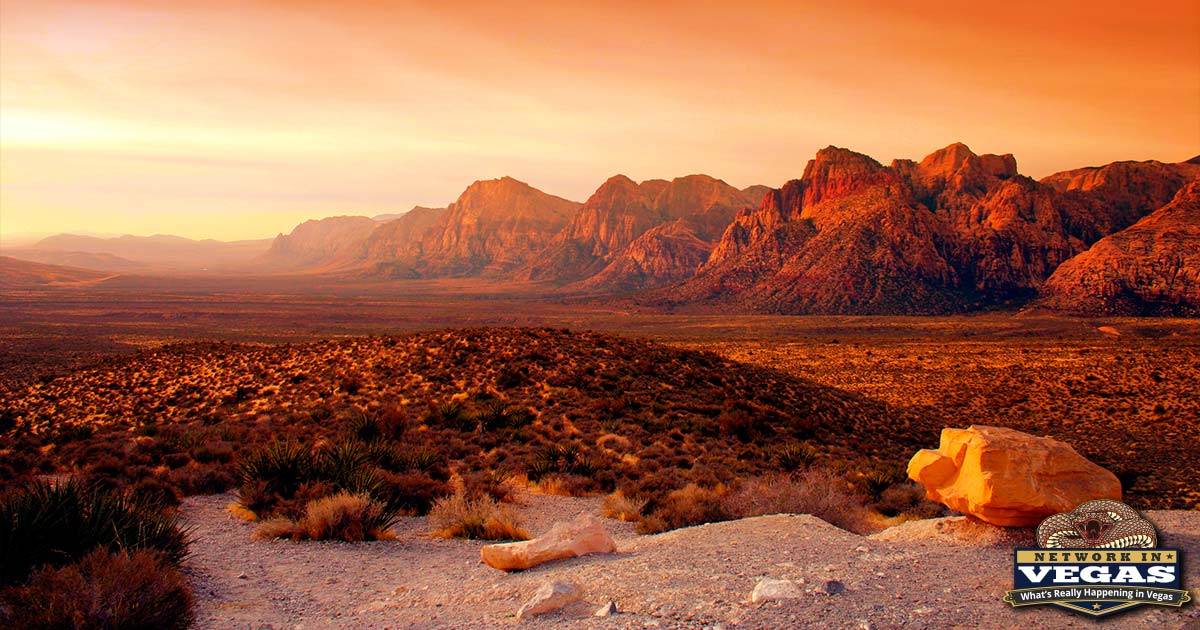
Red Rock is the crown jewel, and it’s twenty minutes from the Strip. The 13-mile scenic drive is worth doing on its own, but the real magic is on the trails. My go-to is the Calico Tanks Trail, a 2.2-mile round trip through colorful sandstone that ends at a natural water tank with a view straight back at the Vegas skyline. For something more demanding, Turtlehead Peak will punish your calves and reward you with a summit view of the whole valley.
For climbers, Red Rock is a playground with over 2,000 routes, from beginner slab to multi-day big walls. The sandstone grip is incredible, but a local rule you have to respect: don’t climb the sandstone for at least a couple of days after rain. Wet sandstone gets fragile and holds break off, which is dangerous for you and ruins the route for everyone.
One thing that trips up visitors: since 2023, the scenic drive requires a timed-entry reservation from October 1 through May 31, between 8 a.m. and 5 p.m. It runs $15 per vehicle for a seven-day pass plus a $2 reservation fee, and you book it on Recreation.gov ahead of time, not at the gate. An America the Beautiful federal pass covers the entrance fee. If you don’t want to mess with a reservation, get there before 8 a.m. or after 5 p.m. and you can roll right in, which honestly is the best time to hike anyway. Drones are banned throughout the conservation area, and dogs are only allowed on the paved shoulders and picnic areas, not the backcountry trails.
Mount Charleston
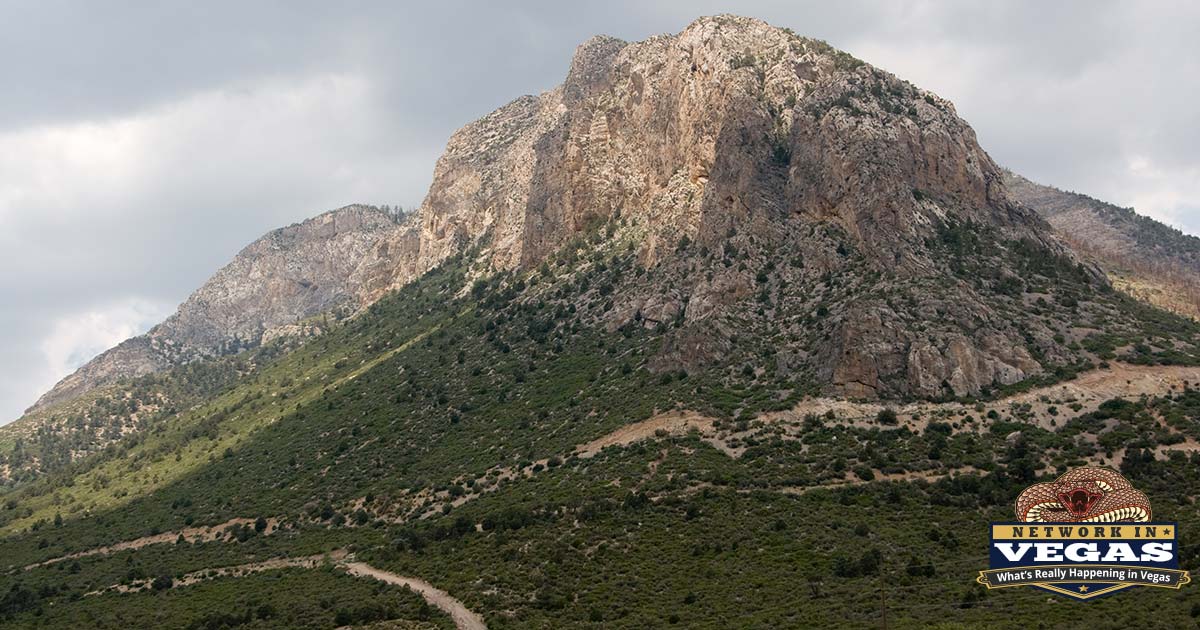
Mount Charleston is the summer escape valve. Less than an hour from the city, it drops you into pine forest and temperatures thirty degrees cooler than the valley floor. When Vegas is baking at 110, Kyle Canyon is a comfortable 80 with a breeze.
For a moderate payoff, Mary Jane Falls is a 3-mile round trip that climbs to a seasonal waterfall and a cave you can duck into. Cathedral Rock is a shorter, steeper grunt to a big panoramic view. The Bristlecone Trail loops you past some of the oldest living things on the planet, gnarled pines that have been up here for thousands of years. If you want to suffer for something legendary, Charleston Peak via the South Loop is a brutal 16.6-mile round trip topping out at 11,916 feet, the high point of southern Nevada. It’s an all-day, start-in-the-dark effort, and the views make every step worth it. Bring layers even in summer, because it gets cold and windy up top.
Lee Canyon: yes, you can ski near Vegas
Here’s the one that surprises everyone. Lee Canyon is a full ski and snowboard resort about 45 minutes from the Strip, tucked into the Spring Mountains, and it’s the only ski area in southern Nevada. The base lodge sits at 8,660 feet, the summit hits 11,289, and the mountain averages well over 100 inches of snow a year, backed up by snowmaking. There are three chairlifts and around 30 trails split across beginner, intermediate, and expert, plus a terrain park and a snow tubing hill for people who don’t ski.
The season usually runs late November into April, depending on snow. Best part: advance lift tickets start around $14, which is absurdly cheap for a ski day, and parking is free. You can genuinely ride in the morning and be back at a blackjack table by dinner. In summer the mountain doesn’t shut down either, it opens up for downhill mountain biking, disc golf, hiking, and a free weekend concert series. Even if you don’t ski, driving up for lunch and a beer at 8,600 feet is a great way to escape a July afternoon.
Valley of Fire State Park
An hour northeast of town, Valley of Fire is Nevada’s oldest and largest state park, named for red sandstone that looks like it’s on fire when the sun hits it. The Fire Wave is the headline hike, an easy 1.5-mile round trip to a swirled, striped rock formation that looks straight off another planet. The White Domes Loop is a 1.1-mile trail through slot canyons and past a movie-set arch (they’ve shot everything from Star Trek to Total Recall out here). Don’t skip the petroglyphs at Atlatl Rock, some of the best-preserved ancient rock art in the state.
The magic doesn’t stop at sunset. Far from city light, Valley of Fire is a phenomenal stargazing spot. On a clear night you’ll see the Milky Way, planets, and shooting stars with the naked eye. Just note it’s a state park with an entrance fee, and summer days here are genuinely dangerous, so this is a spring, fall, or winter destination unless you’re there at dawn.
Hoover Dam, Lake Mead, and the water
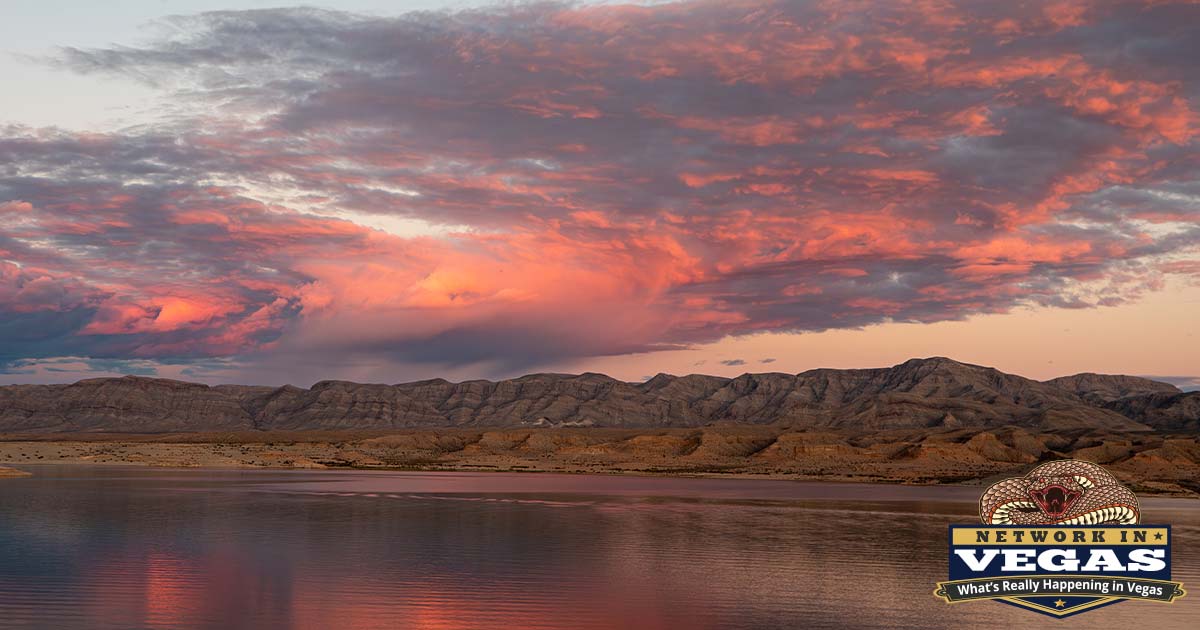
Hoover Dam is an engineering marvel and the gateway to Lake Mead National Recreation Area, about 30 miles from town. Lake Mead is the largest reservoir in the country and a go-to for boating, paddleboarding, and fishing (striped bass, largemouth, catfish, and bluegill). Boulder Beach is the easy shore-fishing and swimming spot. You can rent boats and paddleboards at the marinas, and early morning or evening is the move for both fishing and beating the heat.
Water levels have dropped a lot over the years, so some old launch ramps have moved or closed. Check current conditions before you tow a boat out. But there’s still plenty of open water, and paddling the shoreline at sunrise, with the whole lake to yourself, is one of my favorite quiet-Vegas moments.
Emerald Cave and the Black Canyon paddle
This is the one your Vegas friends probably haven’t done, and it’s spectacular. Just below Hoover Dam, the Colorado River runs cold, clear, and calm through the Black Canyon, and about two miles upstream from Willow Beach there’s a grotto called Emerald Cave where midday light turns the water a glowing, electric green. Paddle a kayak into it and it looks fake. It’s not.
Willow Beach is roughly 45 to 60 minutes from the Strip. You can book a guided tour (typically $79 to $200 with hotel pickup, gear, and a guide included) or rent a kayak and go self-guided for around $65 a day. A few things to know before you go: the water sits around 54°F year-round because it comes out from the bottom of Lake Mead, so a spill is a real cold-water hazard. Afternoon wind can also kick up and make the paddle back a slog, so most tours launch in the morning for a reason. It’s inside Lake Mead National Recreation Area, so you’ll pay a park entrance fee, and there’s no cell service at the marina, so sort your logistics in advance. Keep an eye out for bighorn sheep on the cliffs and bald and golden eagles overhead.
If you’re a strong paddler, you can continue past the cave toward the Arizona Hot Springs, where a slot canyon hike leads to natural hot pools right by the river. It’s a full-day, committing trip, but it’s about as good as desert adventuring gets.
Boulder City, the Historic Railroad Trail, and Bootleg Canyon
Boulder City is a charming, casino-free little town near the dam (Nevada oddity: it’s one of the only towns in the state where gambling is illegal). The Historic Railroad Trail is a flat, family-friendly walk or bike ride along the old railbed used to build Hoover Dam, running through five massive tunnels with big Lake Mead views. Easy enough for kids, scenic enough for anyone.
Right above town is Bootleg Canyon, one of the best mountain biking trail systems in the Southwest. There’s terrain for every level, from mellow flow trails to technical, rocky descents that will humble experienced riders. Even if you’re not biking, the network doubles as a hiking area with sweeping valley views. This is a cooler-months and morning spot, since there’s zero shade.
Sloan Canyon National Conservation Area
Sloan Canyon holds one of the most significant concentrations of petroglyphs in southern Nevada, hundreds of ancient carvings on the canyon walls. The Petroglyph Canyon Trail is a moderate 4-mile round trip that ends in a natural gallery of rock art thousands of years old. It’s a quieter, less-trafficked alternative to the big parks and a genuine window into who lived here long before the Strip. Go early, bring water, and don’t touch the art. The oils on your skin damage it.
Mountain biking beyond Bootleg
Bootleg gets the headlines, but the Cottonwood Valley trail system near Blue Diamond, just south of Red Rock, is a huge network of beginner-to-intermediate desert singletrack that rides well most of the year. It’s where a lot of locals learn. In summer, Lee Canyon’s lift-served downhill biking gives you the mountain option when the desert’s too hot. Between the three, you’ve got year-round riding at every difficulty.
In-town nature you can hit before work
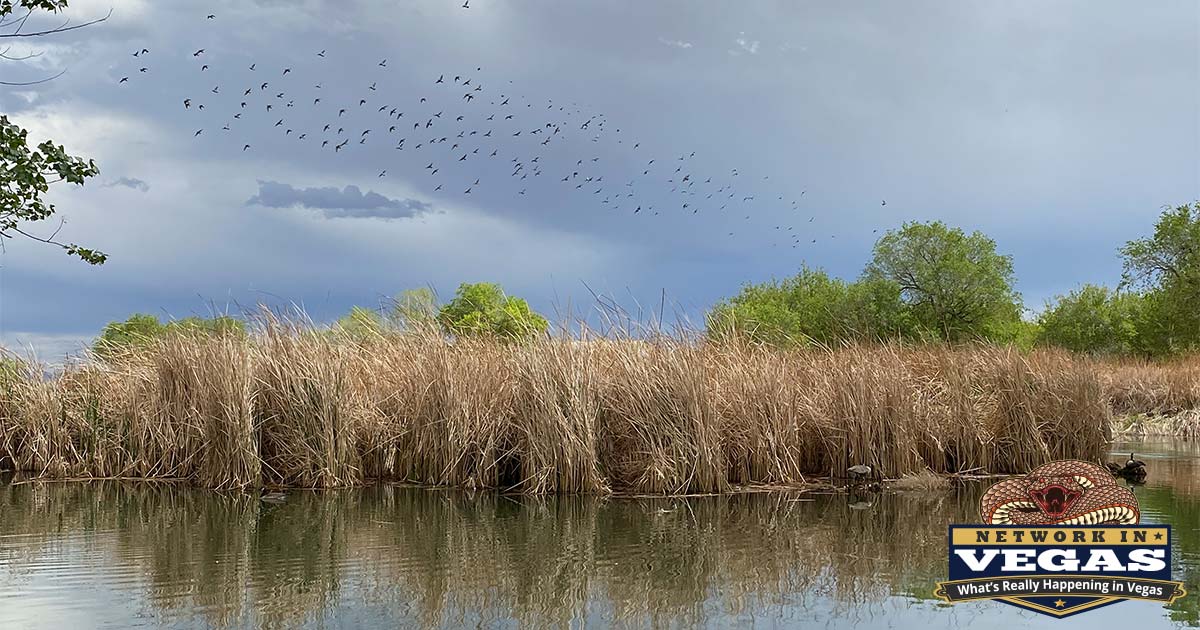
Not every adventure needs a road trip. Floyd Lamb Park at Tule Springs is an urban oasis with ponds stocked with rainbow trout in winter and catfish in summer, plus peacocks wandering the picnic areas. It’s a great, low-key family fishing spot. Right next door, Tule Springs Fossil Beds National Monument protects Ice Age fossil grounds where mammoths and giant sloths once roamed.
The Clark County Wetlands Park on the east side is free, has miles of easy trails along the water, and is the best in-town birding you’ll find. The Henderson Bird Viewing Preserve is another free, quiet spot where you can knock out a surprising number of species in a morning. And the Springs Preserve, right in the city, mixes botanical gardens, trails, and museums if you’ve got kids or a rainy afternoon.
Lake Las Vegas
About 20 miles east of the Strip, Lake Las Vegas is a man-made lake with a resort-village feel. It’s mellow rather than wild, but for paddleboarding, kayaking, or just floating around on flat water with a coffee, it’s easy and pleasant. There are good golf courses and shoreline trails too. The water sports center rents gear and offers lessons, so it’s a low-commitment way to get on the water without driving to the Colorado.
Nelson and Eldorado Canyon
About 45 minutes south, the ghost town of Nelson sits in Eldorado Canyon, one of the oldest and richest mining areas in Nevada. The old Techatticup Mine offers tours, the weathered buildings and rusted cars make for great photos, and the drive down toward the river through the canyon is beautiful. It’s a fun half-day that mixes a little history with desert scenery. And if Ghost Towns are your thing, check out our list of Ghost Towns near Las Vegas.
Spring Mountain Ranch State Park
Tucked right against Red Rock, Spring Mountain Ranch is a green, spring-fed pocket that once belonged to a string of colorful owners, including Howard Hughes. Grassy meadows, shade trees, easy walking paths, and a historic ranch house make it a mellow contrast to the surrounding rock. In summer they run an outdoor theater series under the stars. It’s an underrated, relaxed spot when you want nature without a strenuous hike.
Death Valley National Park
Close enough for a day trip, Death Valley delivers some of the strangest landscapes in the country. Badwater Basin, the lowest point in North America at 282 feet below sea level, is a surreal salt flat you walk right out onto. Dante’s View is a short, steep climb to a jaw-dropping overlook. The Mesquite Flat Sand Dunes look like the Sahara wandered into Nevada. Non-negotiable warning: this is the hottest place on Earth in summer, with recorded temps over 130°F. Go in winter or early spring, full stop. In the cooler months it’s magic. In July it’s a genuine hazard.
Outdoor day trips: Zion, Cathedral Gorge, Ash Meadows, Gold Butte, and Grand Canyon West
Once you’re willing to drive two to three hours, the options explode. Zion National Park in Utah is about two and a half hours up the I-15 and arguably the most beautiful canyon in the country, home to hikes like Angels Landing and the Narrows. Cathedral Gorge State Park, a couple hours north, has narrow slot canyons you can squeeze through and dramatic clay spires. Ash Meadows National Wildlife Refuge, about 90 minutes west, is a startling oasis of spring-fed pools in the middle of the desert, home to endangered pupfish found nowhere else on Earth. Gold Butte National Monument, out past Mesquite, is remote, rugged, and loaded with petroglyphs and red rock, but you’ll want high clearance and a full tank. And Grand Canyon West, on Hualapai tribal land about two and a half hours out, is home to the glass Skywalk that juts out over the canyon rim.
Seven Magic Mountains (see it before it’s gone)
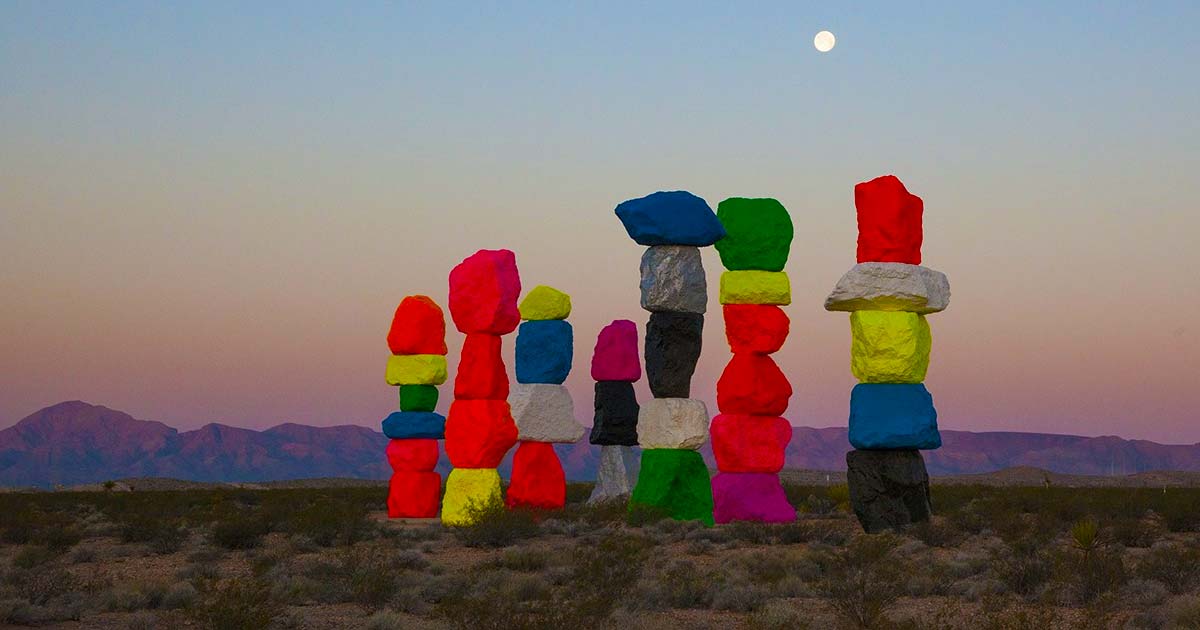
On your way to or from the I-15 south, you’ll spot the Seven Magic Mountains, seven towers of brightly painted boulders stacked against the drab desert by Swiss artist Ugo Rondinone. It’s free, open 24/7, about 22 miles south of the Strip, and it’s become one of the most photographed spots in the region.

The installation sits on Bureau of Land Management land under a lease that expires at the end of December 2026, and it has to come down to make room for the future Southern Nevada Supplemental Airport. There’s talk of relocating it, but nothing’s certain. If you’ve never seen it in person, don’t put it off. This is likely your last year. And if you’re looking for more artsy things to do, check out our guide to the Arts Scene in Las Vegas.
Pahrump and Spring Mountain Motorsports Ranch
If your idea of outdoor fun has a motor, head to Pahrump, about an hour west. Spring Mountain Motorsports Ranch lets you drive high-performance sports cars on a real racetrack. For a slower afternoon, Pahrump has a small but legit wine scene, and Pahrump Valley Winery does tours and tastings. It’s a weird, fun combination: burn rubber in the morning, sip wine in the afternoon.
What are you waiting for?
Vegas is so much more than casinos and nightlife. Red Rock has the trails and the climbing, Sloan Canyon has the petroglyphs, Lake Mead and the Black Canyon have the water, Lee Canyon has the snow, and Mt. Charleston has the summer escape. The city is ringed by national parks, monuments, ghost towns, and public land in every direction, which makes it one of the best adventure home bases in the country. And with 300-plus days of sunshine, the weather’s on your side almost year-round, as long as you respect the heat and carry your water. Next time you’re here, get off the Strip and go see the real Nevada. It’s right there.