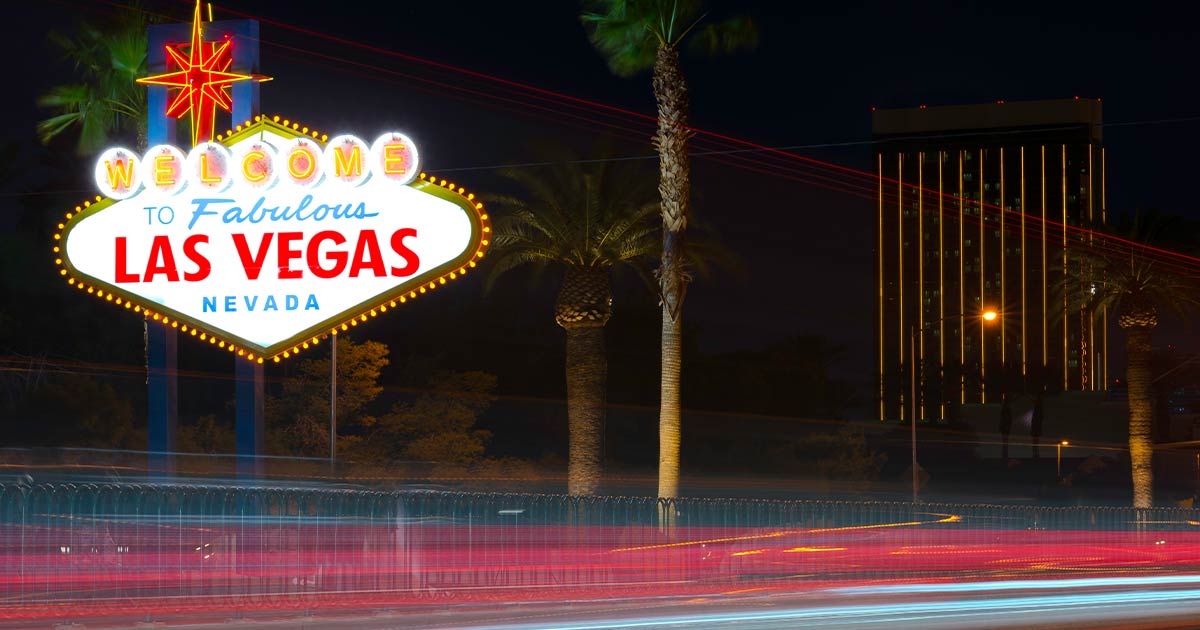
Las Vegas, the glittering oasis in the Nevada desert, has long been synonymous with excess, excitement, and escape. But in recent years, a barrage of headlines has painted a grim picture: “5 Reasons Why Las Vegas is DYING!” screams one YouTube video, while another article declares, “Headlines say Vegas is dead.” Tourism numbers are down, with visitor traffic dropping 7% year-over-year and gambling revenues declining 3%. Airport arrivals have slipped, hotel occupancy has cratered to as low as 66.7% in some months, and even reliable international visitors like Canadians are staying away in droves. Social media echoes the sentiment, with X posts lamenting empty casinos and a city in decline. Is Sin City truly on its deathbed? Not quite.
The reality is more insidious: Vegas isn’t dying—it’s being systematically eroded by corporate assholes who have prioritized profits over the soul of the city.
The Corporate Takeover: From Glitz Glamour and Mystery to Soulless Corporate Greed
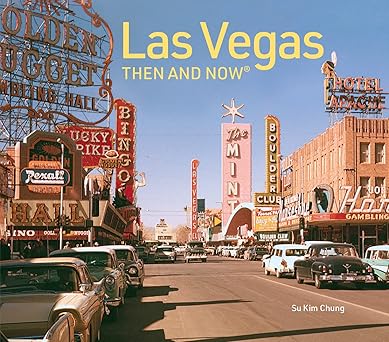
Once upon a time, Las Vegas was a playground built on personality—mafia-backed resorts with a touch of danger and allure, spearheaded by visionaries like Bugsy Siegel, who poured mob money into the Flamingo in 1946, bringing Hollywood glamour and lavish entertainment to the desert. Howard Hughes arrived in 1966, buying up hotels and shifting the city toward family-friendly appeal while offsetting mob influence. Then came builders like Kirk Kerkorian, who erected the International in 1969 and the original MGM Grand, and Jay Sarno, creator of Caesars Palace in 1966 and Circus Circus in 1968, infusing opulence and innovation.
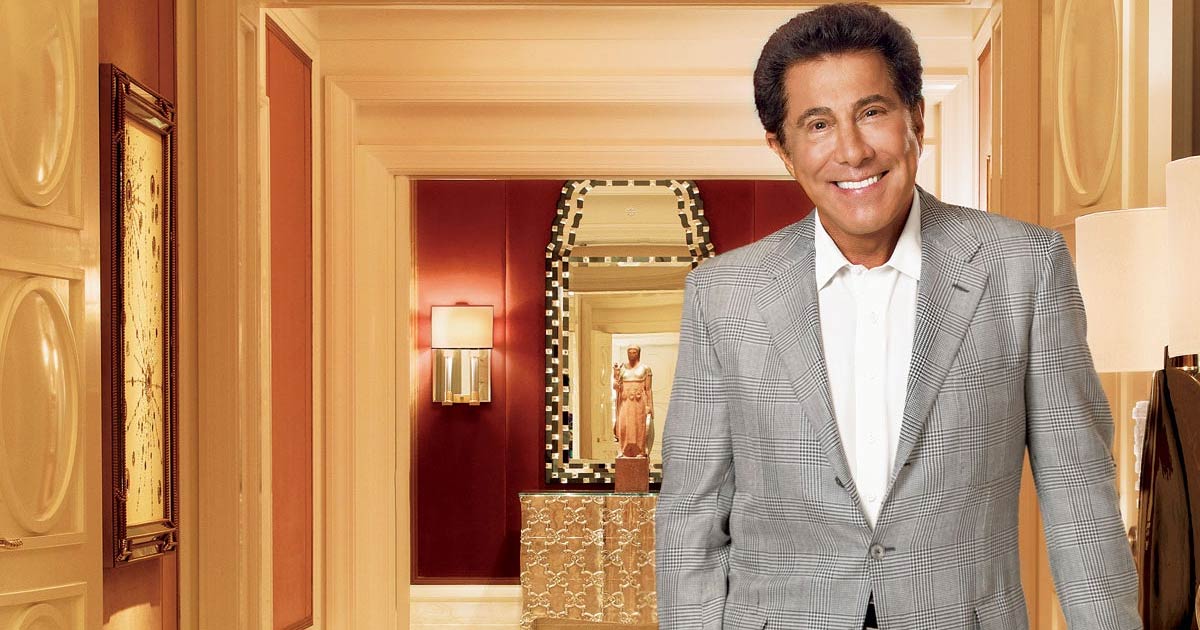
These personalities cared deeply about crafting experiences—Steve Wynn, for instance, revolutionized the Strip starting in 1967 by transforming the Golden Nugget and later building icons like The Mirage in 1989, Treasure Island, and Bellagio, focusing on luxury, attractions, and immersive themes that drew crowds and redefined Vegas as a global destination. They wanted to create not just casinos, but worlds of escapism and excitement. But the shift to corporate ownership, accelerated by laws like the 1967 Corporate Gaming Act, changed everything.
Today, giants like MGM Resorts, Caesars Entertainment, and private equity firms such as Blackstone and Apollo dominate the Strip. These entities, often structured as REITs (Real Estate Investment Trusts), treat casinos as financial assets rather than entertainment hubs. The result? Skyrocketing prices that price out the average visitor. Resort fees, parking charges, and inflated room rates have turned a weekend getaway into a budget-busting ordeal
This corporate focus on maximizing shareholder value has stripped away the personal touch. As one observer noted, “The casinos on the Strip are no longer being driven by personalities at leadership. They’re being driven by corporate politics.” Gone are the days of comped drinks and meals to keep gamblers happy; now, it’s all about nickel-and-diming. MGM’s recent earnings calls highlight ongoing losses on the Strip, yet the company continues to hike fees while divesting properties. The irony? While corporations chase short-term gains, they’re alienating the very crowds that built Vegas. Tourism slumped for six straight months in 2025, down 12% from the previous year. It’s not a death—it’s a slow bleed orchestrated by boardrooms far from the neon lights.
Street-Level Chaos: Homelessness and Violence Deterring Visitors
Adding fuel to the fire are the visible social ills plaguing the Strip and Fremont Street. Homelessness has surged 20% in Clark County, with an estimated 1,200 to 1,500 people living in the flood tunnels beneath the casinos—a hidden “city” under the glamour. These tunnels, meant for storm drainage, house a vulnerable population grappling with addiction and mental health issues. Above ground, encampments and panhandling spill onto the sidewalks, making tourists feel unsafe. A new bipartisan law effective January 1, 2026, aims to restrict homeless individuals from the Strip with stricter penalties for misdemeanors, but critics call it an “anti-homeless” measure that doesn’t address root causes.
Then there’s the violence. Nightly brawls erupt on Fremont Street and the Strip, often captured in viral videos showing massive fights involving intoxicated crowds. One recent incident at the Golden Nugget saw women trading blows amid slot machines, dresses flying and fists connecting. X users report chaos with police interventions, tasers, and arrests becoming commonplace. This “ghetto culture” of aggression, as some locals describe it, has turned family-friendly areas into no-go zones after dark. Combined with homelessness, it’s driving away visitors who once came for fun, not fear. As one Reddit user put it, “Homeless is a major problem… Vegas has less of them per area than NYC, Chicago, LA, but it’s still noticeable.” Corporations, focused on bottom lines, have done little to curb this, allowing the streets to fester while they count their fees.
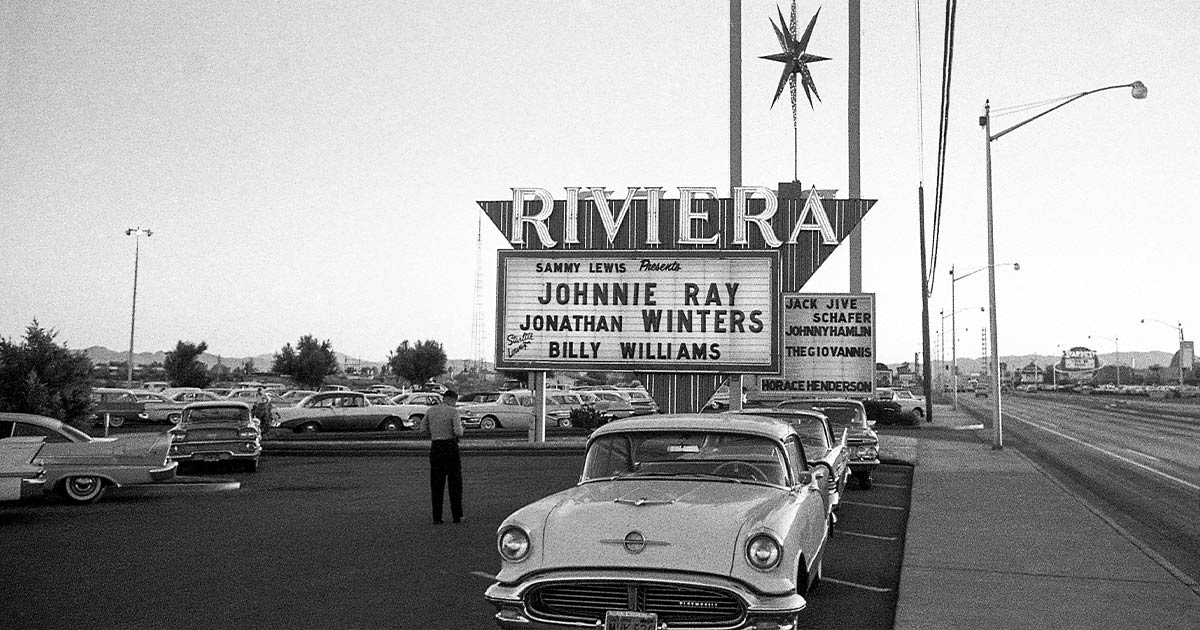
Nostalgia for the glory days runs deep among longtime locals and visitors: many insist things were actually better when the mob ran Vegas. Back in the mob era, the streets felt cleaner, safer, and more controlled—organized crime enforced a strict “open city” rule that kept high-profile violence and disruptive elements off the Strip to protect the money flow. No panhandlers cluttering sidewalks, no unchecked brawls scaring off tourists; the mob had a vested interest in making sure visitors felt like VIPs and came back for more. As one viral sentiment echoes across social media and forums, “Vegas was much better when the mob ran it—they made their money on the gamblers, gave free comps, treated people with respect, and kept the streets orderly.” Sure, it came with its own shadows—skimming, corruption, the occasional car bomb—but for many, the chaos felt contained, the glamour unspoiled, and the danger part of the thrill rather than a deterrent.
Social Media Influencers: Amplifying the Damage for Clicks and Cash
Another layer accelerating Vegas’s decline? The army of social media influencers who treat the city as clickbait fodder, pushing exaggerated narratives, undisclosed paid promotions, and rage-bait content that distorts reality and scares off potential visitors.
Platforms like TikTok, Instagram, and YouTube are flooded with “Vegas is dead” videos—empty casinos at off-hours, viral rants about sky-high prices, or dramatic shots of quiet streets during rain or slow weekdays. While tourism dips are real (down 7-12% in stretches of 2025), these creators often amplify the negativity for views, likes, and ad revenue. One local sentiment captures it perfectly: complaints about influencers lying about the city being a “ghost town” just to go viral, with tourists canceling trips after seeing the doomscroll content. As one observer put it, “What’s wrong with these Las Vegas influencers who straight-up lie about our city being dead just for clicks? … Stop killing our economy for clout.”
Then there’s the paid agenda-pushing: some influencers take undisclosed gigs from venues, hyping mediocre spots as “must-try” while burying the truth, or blasting places for drama to farm engagement. Reddit threads and local forums roast Vegas food influencers for ruining the scene with fake hype, overpromising, and contributing to overcrowding or disappointment that turns visitors away. Complaints abound about entitlement—filming in casinos like they own the place, demanding freebies, or even tanking Yelp ratings in revenge blasts. The LVCVA spends millions on influencer campaigns, yet disclosures lag, and the focus often skews toward sensationalism over authentic promotion.
Influencers aren’t the sole villains—corporate greed and street chaos set the stage—but by prioritizing monetized agendas over honest storytelling, they’re actively chipping away at Vegas’s allure. The city needs voices that celebrate its magic, not ones that bury it for profit. Until that shifts, social media’s echo chamber will keep fueling the “Vegas is dying” headlines instead of helping revive the dream.
The Generational Gap: Gen Z’s Anti-Social Shift

Vegas’s issues aren’t just external—they’re generational. The next wave of potential visitors, Gen Z (born 1997-2012), is redefining nightlife in ways that clash with Sin City’s boozy, club-heavy ethos. Alcohol consumption among young adults has declined over the past decade, with many opting for sober-curious lifestyles or low-ABV drinks to prioritize health and wellness. Surveys show 58% of Gen Z view going out to bars as less important for socializing compared to older generations, preferring home gatherings, video games, or streamed entertainment.
Instead of pounding shots at clubs, they’re sipping mocktails, Aperol spritzes, or non-alcoholic beers—often nursing one drink over an hour. Dive bars are making a comeback for their cheap deals and real connections, not the flashy, Instagram-worthy scenes of yesteryear. Economic factors play in too: With inflation and student debt, Gen Z favors affordable at-home hangs over pricey Vegas nights. This anti-social pivot—fueled by pandemic habits and digital socializing—means fewer young people are flocking to the Strip’s megaclubs. Vegas, built on excess, now faces a demographic that values “moderation” over all-night ragers.
And let’s call it what it is: this generation often comes across as a bunch of soft, overly cautious pussies who can’t handle real interactions. Where older crowds embraced the chaos of Vegas, Gen Z seems terrified of anything that might derail their sleep trackers, mental health routines, or carefully curated online personas. It’s ironic, a group raised on social media FOMO now chooses isolation, anxiety over spontaneity, and AI interactions over the gritty thrill of a true Vegas experince. It’s not just less drinking—it’s less living on the edge, less willingness to let loose without a safety net. Vegas thrived on excess and escape; facing a crowd too fragile for either, the city risks becoming irrelevant to the very people who should be its future.
Reviving the Magic: Bringing Back Mystery and Luxury
So, how does Vegas fight back? It’s time to reclaim what made it iconic: the mystery, the luxury, the ultimate getaway.
As the team at BlancSovereign puts it: “The real magic of Vegas has always been the mystery—the hidden speakeasies, the unexpected encounters, the feeling that anything could happen behind those velvet ropes. It’s not about more slot machines or higher resort fees; it’s about recapturing that secretive, seductive luxury that once made every visit feel like stepping into another world. Bring back the enigma, ditch the corporate grind, and Vegas becomes the ultimate escape again.”
As UNLV’s athletic director noted about declining attendance, “The easiest way to fill the stands again is to win games.” For Vegas, “winning” means recapturing its soul before corporations squeeze it dry.
Vegas isn’t dead—it’s in a coma induced by greed and neglect. With bold changes, it can rise again as the world’s premier escape. But ignore the warnings, and those headlines might become prophecies.